


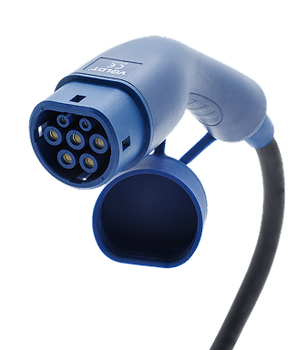
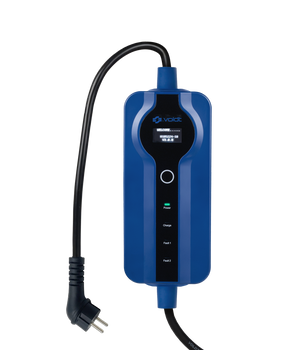

De fleste elbilister smider ladekablet i bagagerummet efter opladning og tænker ikke mere over det. Det virker fint, indtil det ikke gør. Gentagen hårdhændet behandling skader kobberlederne under kappen, slider kontaktstifterne og lader fugt trænge ind, hvor den ikke hører hjemme. Dit ladekabel er et af de få elbiltilbehør, du rent faktisk har i hænderne hver eneste dag, og det daglige slid lægger sig hurtigere, end de fleste regner med. Et kvalitetskabel er bygget til at holde til hård brug, men hvordan du opbevarer det mellem opladningerne afgør direkte, hvor længe det holder, og hvor sikkert det fungerer.
De vigtigste råd
| Emne | Hvad du skal huske |
|---|---|
| Oprulning | Brug løse skiftende sløjfer, rul aldrig stramt om armen eller albuen |
| Bagagerum | Beskyt stikkenderne mod snavs og fugt, læg ikke tunge ting oven på kablet |
| Vinter / langtid | Opbevar indendørs, løst oprullet, væk fra direkte sollys og varmekilder |
| Rengøring | Fugtig klud til kappen, tør klud eller trykluft til kontaktstifterne |
| Typiske fejl | Vådt kabel i lukket taske, for stram oprulning, kabel på varm asfalt |
Oprulning uden knæk
Den mest udbredte opbevaringsfejl sker, før kablet overhovedet når bagagerummet. At vikle det stramt om underarmen skaber skarpe knæk med jævne mellemrum, altid de samme steder. Gør du det et par hundrede gange, begynder kobberlederne indeni at udmattes, også selvom den ydre kappe stadig ser fin ud. Modstanden stiger ved de belastede punkter, hvilket fører til lokal varmeudvikling under opladning.
En bedre metode er over-under-teknikken: form en naturlig sløjfe med den ene hånd, og drej den næste sløjfe i den modsatte retning, før du lægger den i rullen. Skiftet fordeler spændingen jævnt over hele kablets længde og forhindrer, at det udvikler en "hukommelse": den stive, fjederagtige form, der opstår, når et kabel tvinges i den samme position gang efter gang. Sigt efter sløjfer på ca. 30 til 40 cm i diameter, løse nok til at intet er under spænding.
Det kræver et par forsøg at få rytmen, men når det først sidder, er det lige så hurtigt som at vikle om armen. En kabeltaske holder det hele samlet i bagagerummet, forhindrer rullen i at falde fra hinanden og beskytter stikkene samtidig. Har du ingen taske, klarer en simpel velcrorem rundt om midten af rullen opgaven.
Opbevaring i bagagerummet
Til daglig brug er bagagerummet der, de fleste kabler bor. Det er helt fint, så længe du behandler det med en smule omtanke. De største fjender her er snavs, vedvarende tryk og indesluttet fugt. Det gælder også en kompakt mormorlader til bagagerummet, som mange har liggende som backup.
Sand og småsten arbejder sig med tiden ind i stikhusets åbninger, især hvis kablet ligger løst mellem sko, værktøj eller sportstasker. Partiklerne ridser kontaktfladerne på stifterne og inde i fatningen og forringer forbindelseskvaliteten gradvist. Har dit kabel ikke støvhætter på stikkene, så opbevar det i en taske eller pak enderne ind i en klud. Selv en simpel pose med snørelukning holder det værste ude.
Undgå at stable indkøbsposer, værktøjskasser eller andre tunge genstande oven på kablet. Vedvarende vægt på et oprullet kabel skaber flade mærker i kappen og svækker isoleringen i de sammenpressede afsnit. Over måneder kan det føre til synlig deformation. Har dit bagagerum ikke et separat rum eller en opbevaringsbakke under gulvet, så læg kablet langs den ene side, hvor det ikke ender begravet under resten af lasten.
Noget mange overser: har du ladet i regnvejr, er kabel og stik våde. Det er i sig selv intet problem (IP67-klassificerede kabler klarer fuld nedsænkning), men at opbevare et vådt kabel i en lukket taske i flere dage skaber et fugtigt mikroklima, hvor korrosion kan begynde på udsatte metalkontakter. Lad kablet lufttørre kort, før du lukker tasken, eller lad den stå delvist åben for ventilation. I praksis er selv fem minutters lufteksponering, mens du ordner dine ting, som regel nok.
Langtids- og vinteropbevaring
Hvis du sætter et køretøj til side for sæsonen, skifter til en wallbox derhjemme eller bare ikke skal bruge det mobile ladekabel i nogle måneder, gør et par ekstra trin en mærkbar forskel for kablets tilstand, når du tager det frem igen.
Opbevar kablet indendørs, hvis det er muligt: en garage, et bryggers eller et tørt skur er fint. Hold det løst oprullet og liggende i stedet for at hænge det på en enkelt krog, som sætter konstant belastning på kablet ved bøjningspunktet og kan deforme kappen over tid. En vægmonteret kabelholder, der bærer hele rullen, er den ideelle løsning, hvis du vil have det op fra gulvet. Nogle elbilister bruger en simpel spand eller opbevaringskasse, hvilket fungerer lige så godt, så længe kablet ikke presses for stramt ned i den.
Hold kablet væk fra direkte sollys og varmekilder. UV-stråling nedbryder det ydre kappemateriale med tiden og gør det skørt og tilbøjeligt til at revne, især på afsnit, der allerede var belastede af stram oprulning. Voldt®-kabler er beregnet til temperaturer fra -30°C til +50°C under brug, men langvarig eksponering for ekstremer under opbevaring forkorter materialets levetid uanset specifikationen. Et kabel, der ligger bag et sydvendt vindue hele sommeren, udsættes for mere UV-belastning end et, der lader op udendørs hver dag, men kommer tilbage i tasken bagefter.
Sæt støvhætter på begge stik, før du lægger kablet væk. Selv i en ren garage finder støv og insekter vej ind i åbne stikhuse over måneders stilstand. Når du tager kablet ud af opbevaring, så giv stikkene et hurtigt visuelt tjek, før du sætter det til: kig efter snavs, misfarvning på stifterne eller tegn på fugt inde i huset.
Rengøring
Vejsnavs, mudder og vejsalt samler sig alt sammen på et kabel, der bor i bagagerummet og jævnligt trækkes hen over parkeringspladser. At gøre det rent en gang imellem er de to minutter værd, og det fungerer samtidig som en lejlighed til at inspicere kablet for synligt slid eller skade.
Til kabelkappen er en fugtig klud alt, du behøver. Hårdnakket snavs går af med lidt sæbe og vand. Undgå opløsningsmidler, affedtningsmidler eller højtryksrensere: de kan beskadige det ydre materiale eller presse fugt forbi tætninger, der ellers ville holde den ude. Vær særligt opmærksom på afsnittene nær stikkene og aflastningspunkterne i begge ender, hvor snavs har en tendens til at samle sig i rillerne.
Til kontaktstifterne bruger du en tør klud eller et kort pust trykluft. Stik aldrig metalgenstande, skruetrækkere eller stålbørster ind i huset. Stifterne og kontakterne er præcist justerede, og selv mindre fysisk skade kan føre til dårlige forbindelser, langsommere opladning eller direkte ladefejl. Ser en stift misfarvet eller korroderet ud, er en tør mikrofiberklud med let tryk den sikreste rengøringsmetode.
Kører du i områder, hvor vejene saltes om vinteren, så gør det til en vane at tørre kabel og stik af, før du lægger dem væk. Saltrester er hygroskopiske, hvilket vil sige, at de trækker fugt fra luften og holder overfladen fugtig selv under tørre forhold. Det fremskynder korrosion på al udsat metal, og kontaktstifter er ingen undtagelse. En hurtig aftørring efter hver vinteropladning forhindrer, at aflejringer udvikler sig til et problem.
Typiske fejl, du bør undgå
En kort liste over vaner, der pålideligt forkorter dit kabels levetid, de fleste nemme at rette, så snart du er opmærksom på dem:
- For stram oprulning eller altid i samme retning, hvilket udmatter lederne ved de samme belastningspunkter hver gang
- At opbevare et vådt kabel i en lukket taske i flere dage, så fugt fanges mod kontakterne
- At lade kablet ligge på varm asfalt, mens det ikke er tilsluttet: langvarig varme blødgør kappematerialet og kan efterlade aftryk eller deformation på overfladen
- At hænge kablet op i stikket ved langtidsopbevaring, hvilket belaster stifterne og gradvist deformerer huset
- At køre over kablet med et hjul ved parkering, selv ved lav hastighed (kappen overlever, kobberlederne indeni gør det måske ikke)
- At bruge kablet som surrerem, dørstopper eller slæbetov: det sker oftere, end man skulle tro
Intet af dette ødelægger et kabel fra den ene dag til den anden, men hvert punkt slider det lidt mere session for session. Lidt omtanke ved opbevaringen er den simpleste måde at holde dit kabel sikkert og funktionsdygtigt i mange år.